Disentangling
Addicted to ignorance

When I took down my Christmas tree after Epiphany, the lights were in their usual state of great entanglement. Three sets of lights, from short to long and longer completely amassed into each other with beginnings and endings lost somewhere in the mess. One set of lights has one horizontal cable with vertical strands of different lengths, like icicles dropping down. This one was particularly difficult to unwind as all the various lengths kept getting intertwined again and again. I only have two hands, so at some point I called two of my sons to help. Having wound the lights artistically around the tree, in a style I thought was going to make it easy to take them down, I was (as I am every year) frustrated.
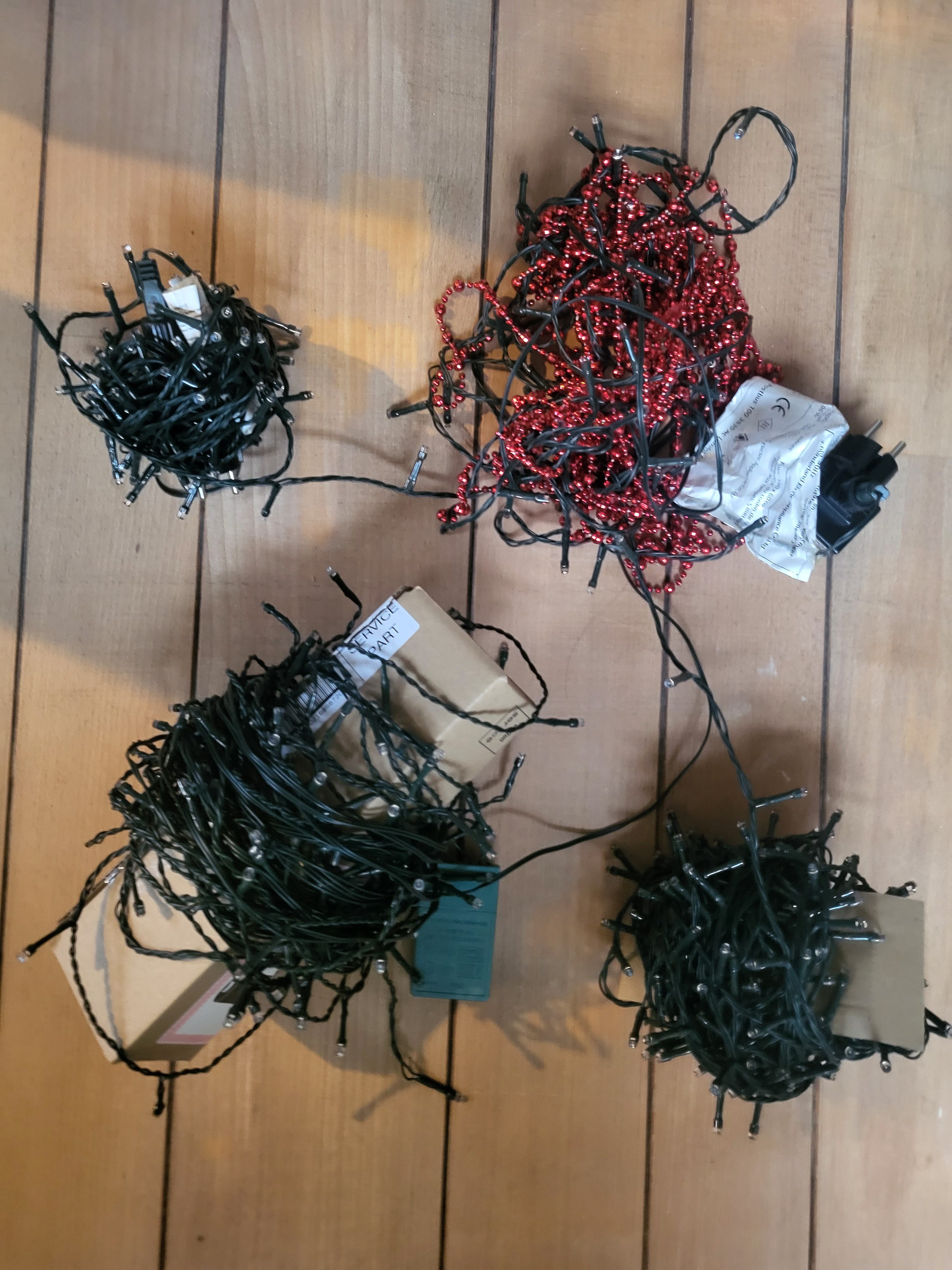
Like Christmas tree lights, our thoughts are scaffolded onto other things. Matted tightly around long held opinions or ideas, caught in the branches of our beliefs, difficult to untangle, ensnared in the needles of right and wrong. Our lights become dimmer in this state. We can’t see clearly and become more and more entrenched.
This seems like a good metaphor for a society obsessed with quantity; overloaded with stuff coming at us all the time. And when we feel overwhelmed, we long for simplicity. And reductionism. And unambiguous answers. We wish our life was like a multiple choice test where we only need to remember the least ambiguous facts. James Hillman says that an education based on testing is the first slide into ignorance. I agree. When there are right and wrong answers, we hardly need to think. We just need to memorise the right answers. This is not learning. This is parroting. This is forgetting our imagination and creativity in favour of illusory safety.
My last post was about addiction to sickness. This too is a sickness. And it is harmful. I think about government officials with whom I have worked. They would make perfect ICE agents. They simplify rules and procedures, eliminate any conflicting evidence or extenuating factors and apply the law as they have been taught. They don’t like ambiguity, because their tangled brains can’t handle it. They have enough to think about: but being reflexive professionals isn’t part of the programme.
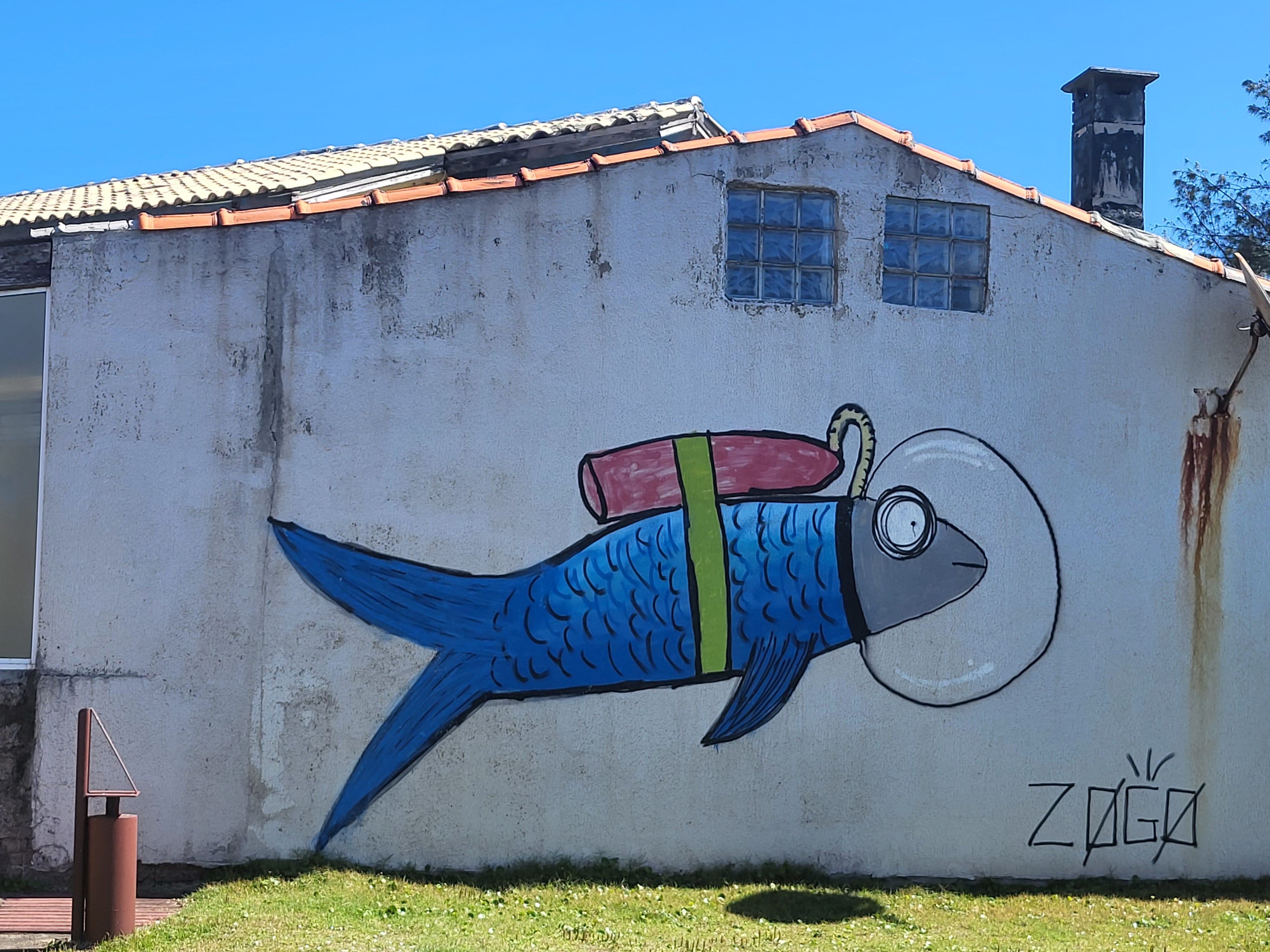
Propaganda plays its part too. You only have to read the information on a website like that of ICE to know they are deliberately aiming to confuse. You see, this is where things become complicated. We do have laws, and we have definitions, so there are less ambiguous ways of explaining what they are and of understanding their ‘proper’ implementation. And we have different interpretations. Nevertheless, we can distinguish between illegality and criminality and we should know the difference between being an asylum seeker with an ongoing procedure and a legal right to remain and a refugee with a refugee status and an illegal criminal. An asylum seeker in process is neither illegal nor criminal. But ICE wants to confound us on these issues. They want us to keep our heads in a goldfish bowl.
When our minds are a mess and our thoughts are entangled, we are more likely to believe anything and to be less discerning. Put power, own interest and fear into the mix and we have the perfect ingredients for despotism. Despotism on a very small scale is still despotic. Or perhaps I’m too harsh. Perhaps I should say tyrannical behaviour, or authoritarian, or perhaps just intensely controlling or nit-picking or manipulative or disingenuous.
And let me be clear: we all have these traits inside of us. All of us. Some just manage to hide them more effectively than others. Some have done the inner work and know how to deactivate harmful tendencies. Others haven’t done any of these things and are ruled (not too strong a word) by the need to feel more than or better than the other. How these tendencies manifest (or stay repressed) is different for each of us. Bully. Hair splitter. Manipulator. Depressive. Controller. Complainer. Whatever. It’s an addiction. An illness. And it’s very destructive.
There are many forces at work which are unhelpful. Too much or too little focus on trauma. Our insistence on fixing things and jumping to solutions. The mass of information that floods our senses and the overwhelming access to communication at the expense of community. I heard that Gary Snyder once advised to be in a place as if you were never going to leave. He suggested that if you are not doing this, you are not actually living in the place you are. Our fantasy of being able to leave prevents us from living where we are. I have also been guilty of this longing to be elsewhere. The beaches of Florianopolis. The forests of Serra Grande.
But what does this do to our capacity to live in place? What if we consented to be where we are?
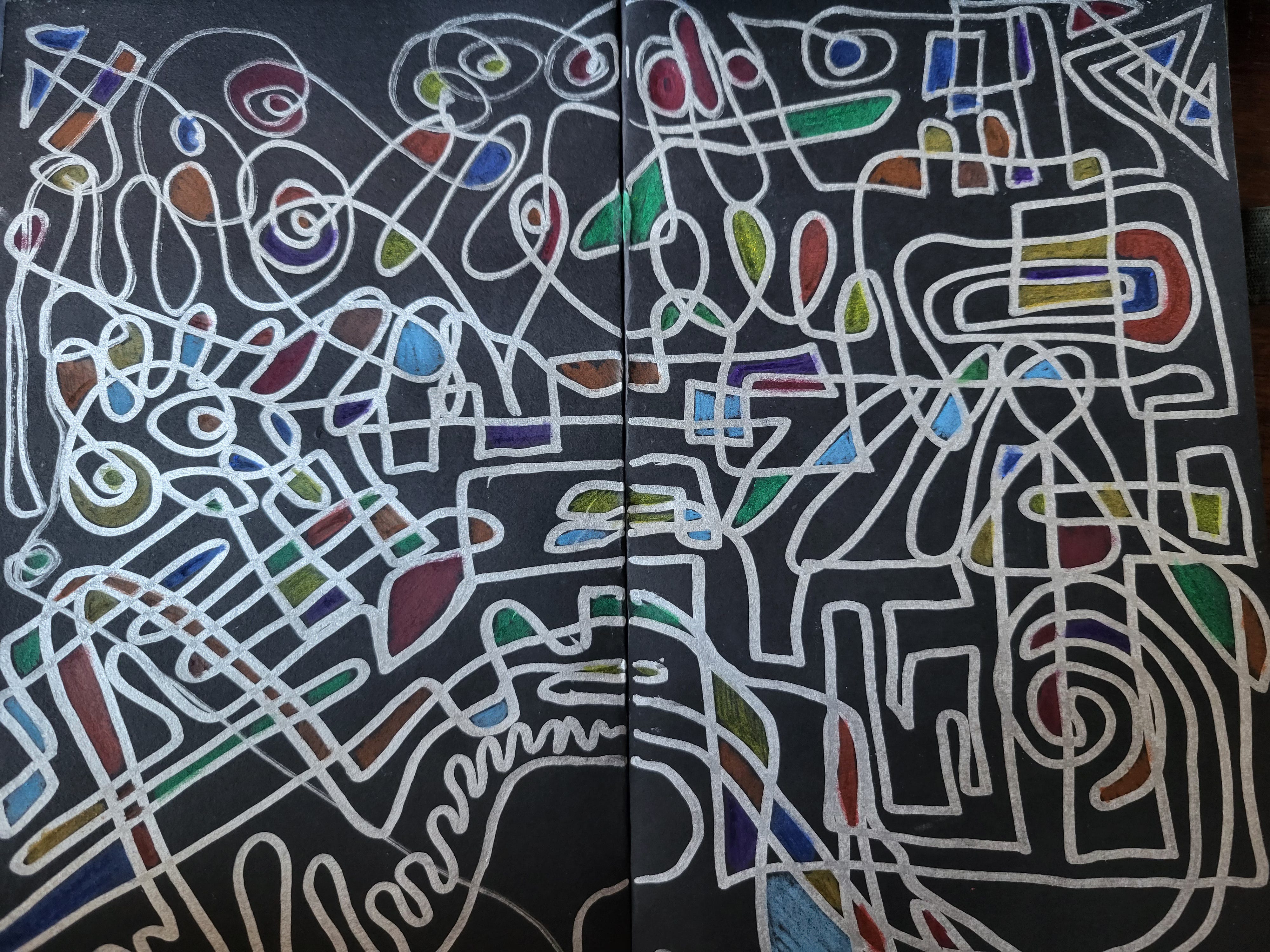
James Hillman speaks much of beauty and the imagination and the soul. The soul needs beauty. Not mass production. Arts and crafts. Singularly beautiful pieces. Not houses overflowing with artificial glamour. But one special China cup. One special scent. A floor lamp, not fluorescent ceiling lights which light the entire room without shadows and atmosphere. Special nooks and crannies.
We need care of the soul, which means caring for the dark recesses of the mind and body. Imagination to free us from the tyranny of ignorance. The stars to remind us to look upwards and remember the mystery of beyond. Beauty to nurture the senses. Cultures of ethical dialogue which preclude right and wrong answers and encourage exploration and asking questions. Diversity of perspectives. Curiosity. And spaces of gentle disentanglement.
I unlearn with good friends. Removing the tangles of rigidity. Untying the knots one by one. For this we have the gift of courageous friends. Loving friends who listen deeply and speak with an honesty which touches the heart of the matter. Or good colleagues. Good managers. People who put personal integrity above personal power. More arts. More culture. More dance. Fewer checklists. Fewer multiple-choice tests. Fewer psychology assessments to box us into character types. Less black and white. More nuance. Openness to be amazed or taken aback. Startled into something new.
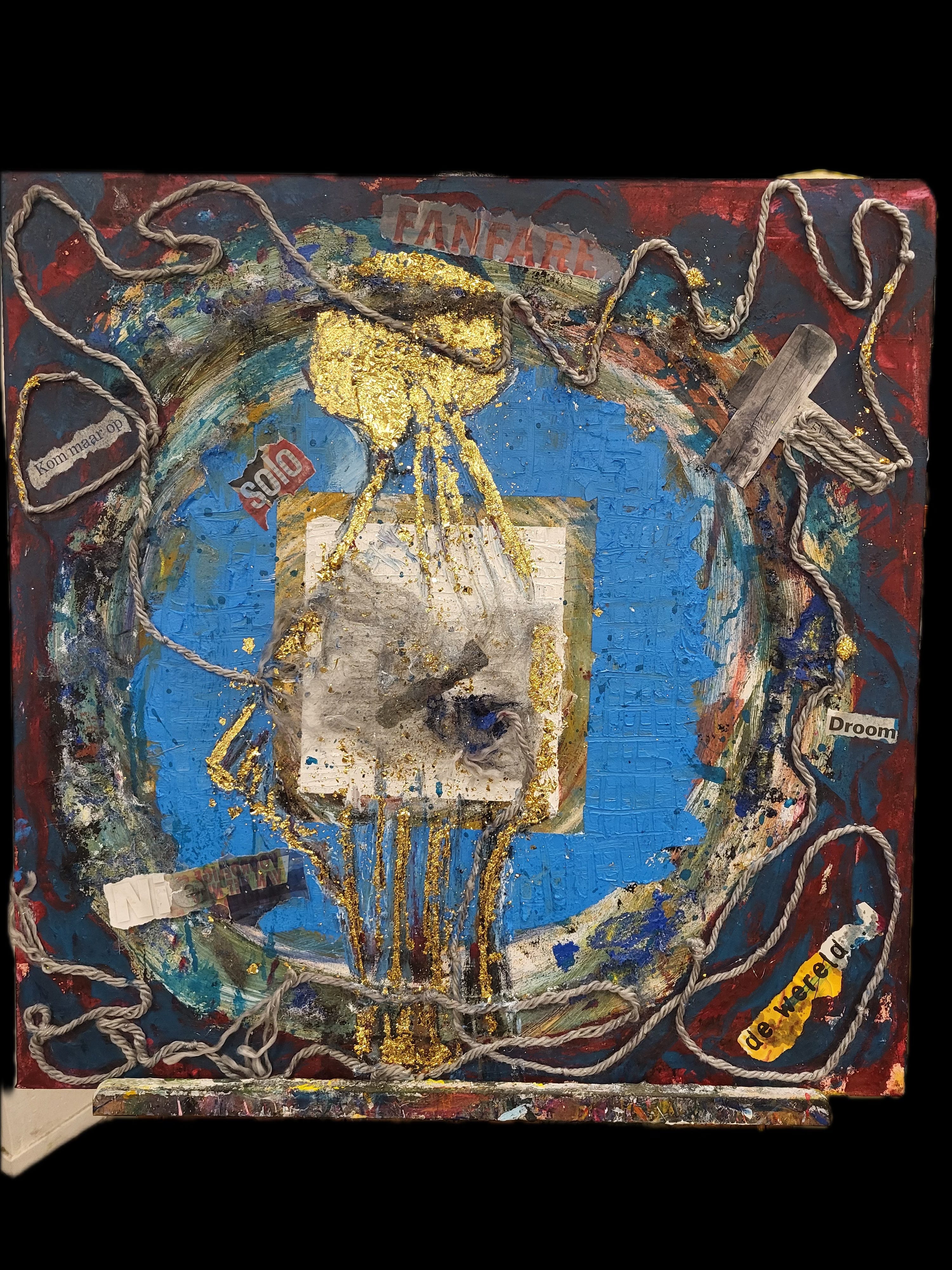
How entangled are you? With whom do you untangle and unlearn? Where in your life do you notice addiction to ignorance or power or overwhelm? Where is there freedom and beauty and creativity?