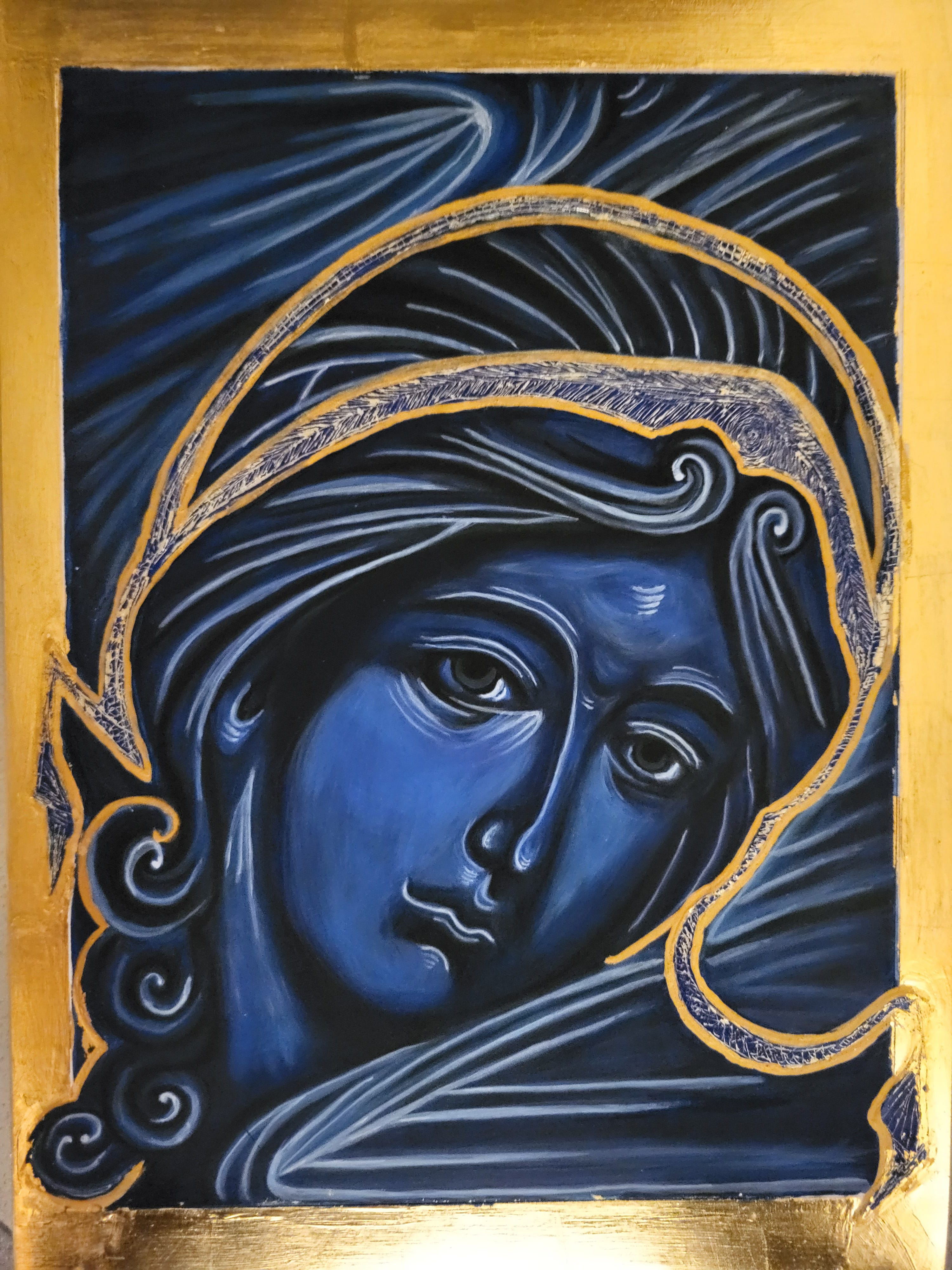
Magis
The More Beneath the Surface...

I’ve always been fascinated by knowing. Especially how well we can know ourselves. And other people. We are, I believe, enamoured with the notion of knowing things, people, places…..we want to know more and more. Science and scientific discovery leads the way in the battle to know more and more. Psychology tells us we can know the human mind. Biology the body. Neuroscience the brain. History the world. Literature the arts. And yet in our endeavours to know, we are time bound and most people don’t have time these days.
What can we know? And where is the space for mystery and not-knowing, unknowing, de-knowing?
There’s the great paradox. We can certainly know things. But knowing takes time and we can never know everything. But we want to know things fast, and expertise, which takes time, is valued less and less.
We confuse what Joe Bloggs ‘knows’ about what’s happening in the world, which is primarily his own feelings and thoughts (which by the way Joe probably doesn’t really ‘know’), with what those who have done more research or have more experience, actually might ‘know’. We are obsessed with the quick and superficial.
I don’t disregard what people think about things. Perceptions and feelings are hugely important. But these get easily confused with knowledge. What I believe might have something to do with what I actually ‘know’, or it might not.
Faith, often mistaken for belief, is also something different.
We live in a world where definitions are easily mixed up. And if you seek clarity, you might be regarded as a trouble-maker.
As an anthropologist I try to understand other cultures and other people. As a woman on a spiritual and religious path, I try to understand myself. As a human being, I try to understand my children, my friends, my colleagues…..institutions and politics. There are so many levels to this task. The superficial. What we see, hear, experience. The deeper levels. What lies below the surface. Inner motivations. Unseen intentions. Unconscious beliefs and prejudices. The deep is so called because it is so.
I once had a dream in which I was told to “dissect the surface”. Dreams are always more than surface deep. I had another dream with the words Ex Templum Magis Es, perhaps meaning “from the temple you are more”. I had another dream where I was called onto the water and told to cast the nets out deep. Another with the words: fish, paint, write.
Magis – meaning ‘more’ – from Ignatian spirituality. Doesn’t imply scarcity or greed. I believe it means more than skin deep. Or that there is far more than the eye can see or perhaps even imagine. It’s not about quantity but quality. Doing the greater good. Pursuing excellence, not just doing more or having more.
Magis implies imagination. The capacity to imagine more in others and in ourselves. The capacity to go deeper, whilst recognising the limitations of our knowledge. Without the more of imagination, we are doomed. Doomed to shrink ourselves, our kindness, our compassion, our faith.
We must live with the paradox that whilst we are small and insignificant, we are simultaneously also huge and very important. We are a speck of dust and a golden star at the same time. Knowing demands effort, patience, imagination. But there will always be more.
We do ourselves and others a disservice to stop at the surface level. Though sometimes we do ourselves and others a disservice not to. What some people show is sometimes enough.
Herein lies the perpetual paradox. Which is why we need wisdom. Wisdom to discern what is needed in the moment.
I had known my mother my whole life when she developed Alzheimers. How little did I actually know. We know what we know. But there’s a whole world we don’t know. Dreams. Desires. Joys. Tragedies. Trials. Victories. Unmet needs. Memories. Intentions. Shame. I know even less about her mother, apart from what I saw and experienced myself and a few stories. I know nothing about her grandmother. I imagine she knew nothing either. But I can imagine. I can narrate. I can develop stories. Create my own family cosmology. Is that also knowing?
What is the Magis of knowing?
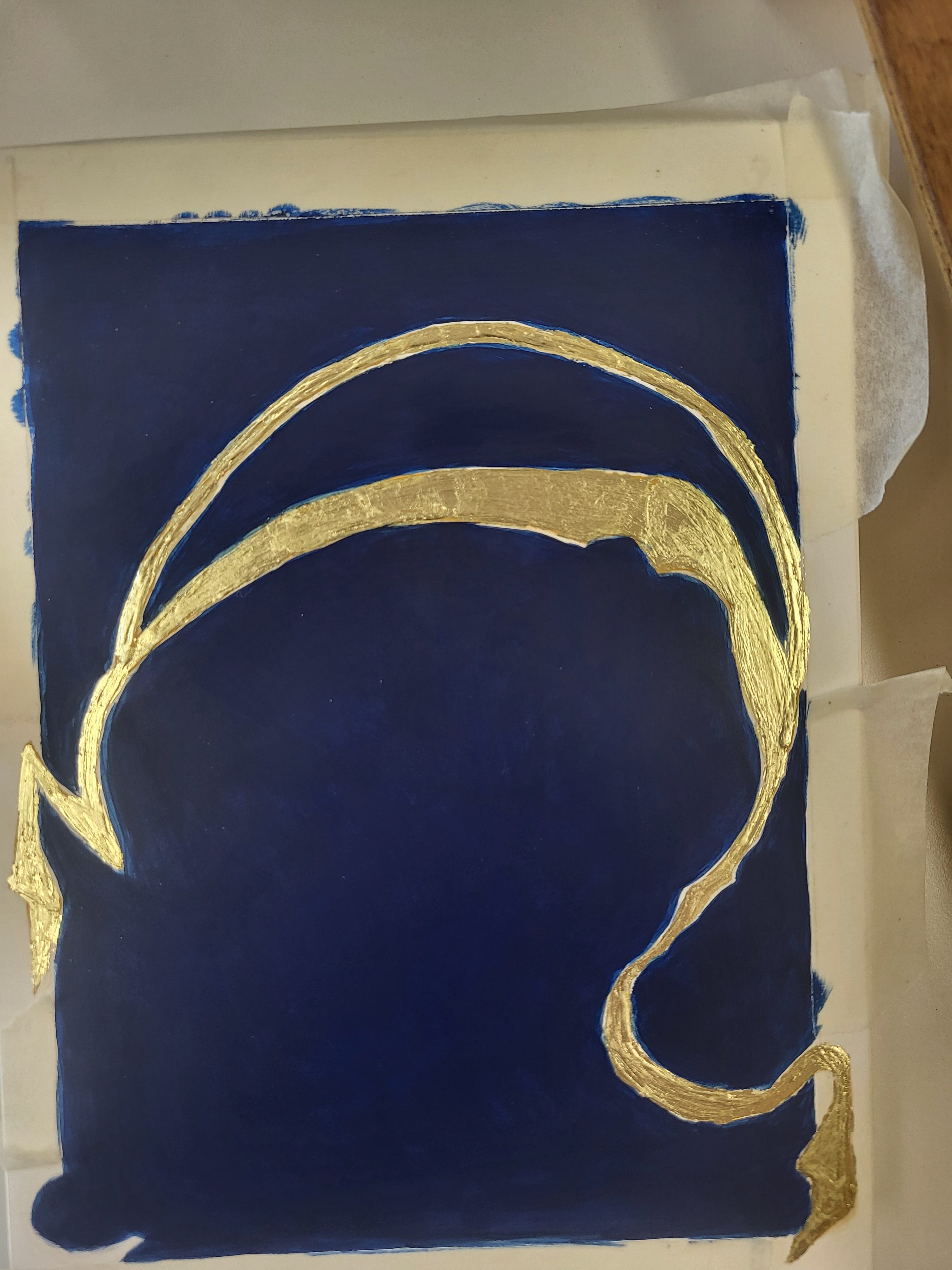
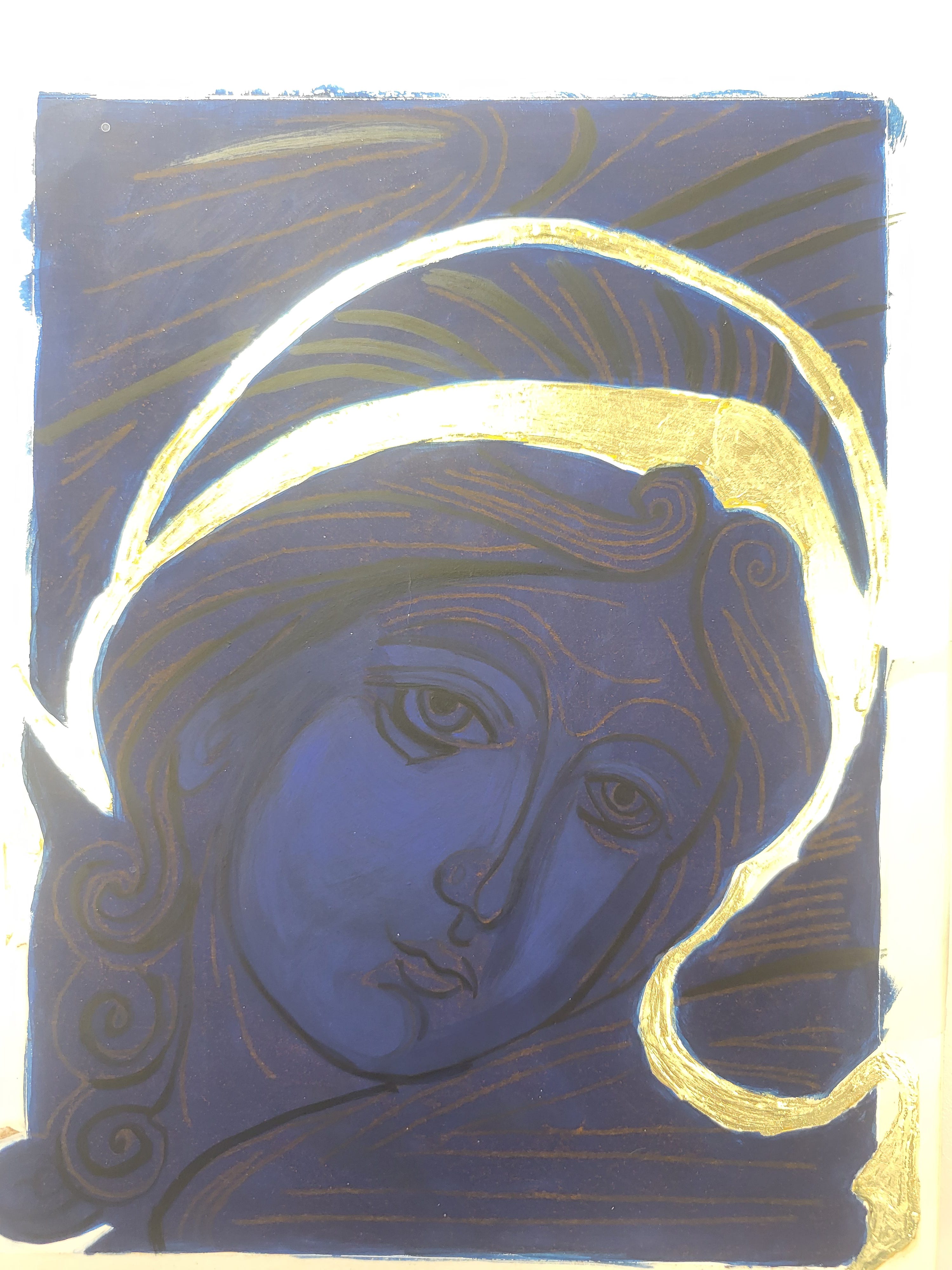
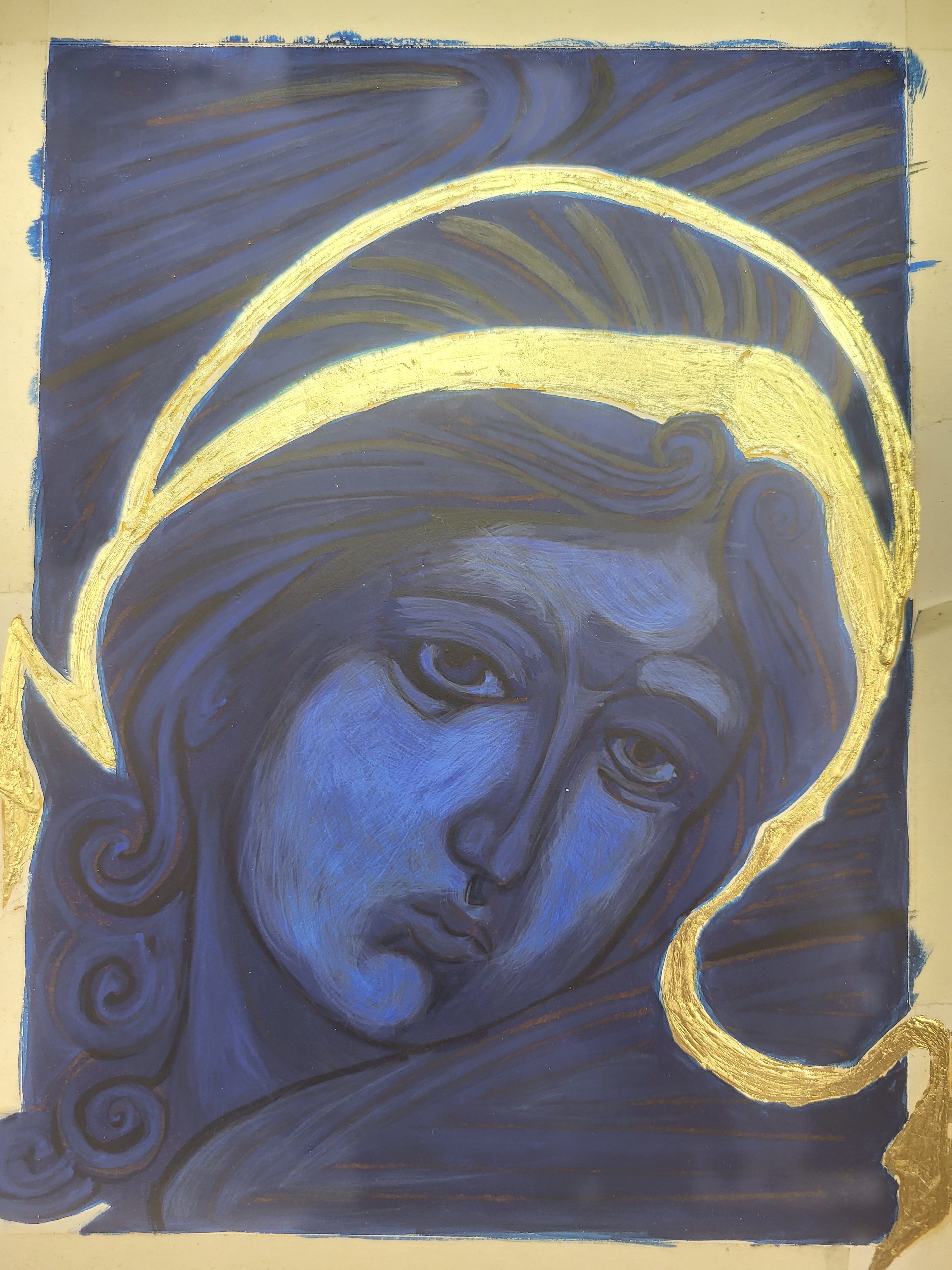
It is a three-year course in iconography and knowing I am only just touching the surface; yet appreciating the beauty of every icon I have so far written, and the skill, time, effort, patience and prayer it took to arrive where I am today.
It is accepting that with her death, my mother took her memories, desires, needs, joys and frustrations to her grave with her. Yet knowing that I can tell her story, narrate her life, imagine her dreams and research her genealogy.
It is over two decades of study and living with asylum seekers and refugees, in university, asylum centres, homes, clinics, schools and a 350-page PhD and a whole load of general and specific knowledge on refugee questions. Yet it is also staying curious to each individual story, its nuances, colours and particularities, with a willingness to listen and be shocked and surprised.
It is the time, effort and patience that goes into spiritual and soul development, including the discipline of a meditation practice, silent retreats, spiritual exercises, mentorship and accompaniment, chaplaincy education and living a life framed by vow, trying to do and be good. Yet it is also accepting and recognising that it’s a daily effort to see greed, hatred and ignorance and not be tempted to do the wrong thing. The ‘creator’s good road’, as the First Nation’s Version of the New Testament calls the Kingdom of God, is here on earth, but not always easy to walk.
Magis. More. Greater. For the greater glory of God. Might also mean less of something. Like the first is last. Or the right hand not showing what the left hand is doing. Magis is relational and evolving. Requiring discernment not accumulation. It’s not the same for everyone.
Magis is the knowledge which brings greater freedom and generosity of spirit. Sometimes acquisition of knowledge brings less freedom, especially if we grasp or are attached to ways of looking which cause suffering.
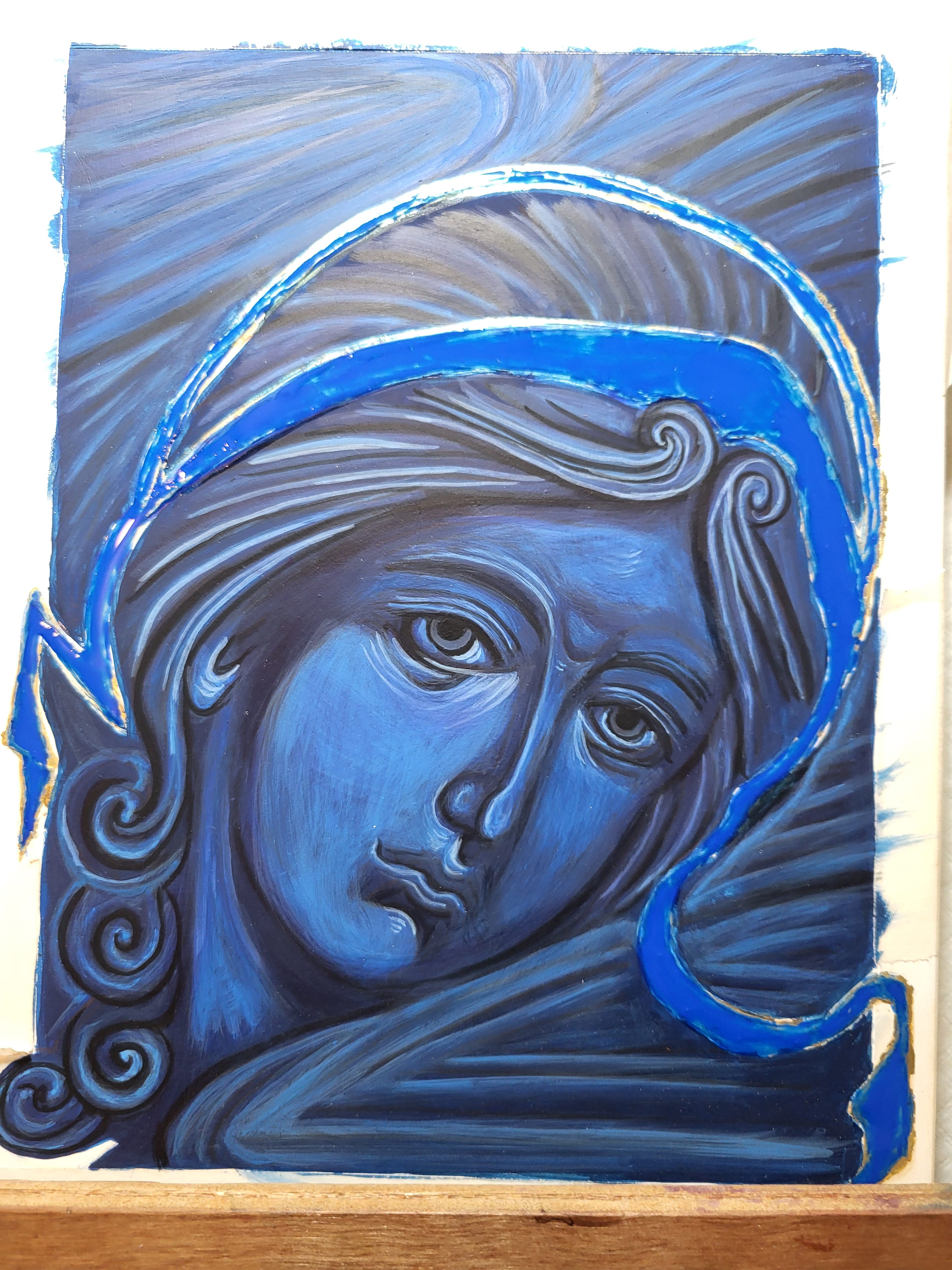
Maybe Magis is knowledge of the deeper good, of what matters most. It is rooted in Ignatian indifference or Buddhist non-attachment/non-grasping. It’s not found by reading more books but by trodding the messy path of life. Meeting obstacles on the road and acknowledging our pain and at times helplessness. That’s where belief systems based solely on the idea that we are our own God or Goddess fall short in my opinion. They leave us with the rather sad conclusion that we are, in fact, all alone and have only ourselves to rely upon.
Many of us will feel the Magis prompt at some point in our lives. The prompt that there is ‘more’ of the good stuff, of what really matters. The prompt to gather rather than separate, to go deeper rather than skim the surface, to examine and discern whether we are on the ‘creator’s good road’. Lonely is the path that doesn’t surrender to the mystery, but claims to be its own source, salvation and authority. We are not separate from the divine, but we are not the whole of the divine either.
I think again of my mother. I think of the mythic stories she placed herself within, right in the depths of being with Alzheimer’s. Somehow she reimagined who she was and who she had been. She saw herself saving London during the Blitz, as she dreamt of dancing in heaven with her sisters and mother. She knew about Magis. Perhaps not consciously. But she knew.
We know and we don’t know. We seek and we surrender.
Grasping the whole is impossible; living within it isn’t.
Casting out our nets into the deep, we fish in the depths. We dissect the surface.
Magis is participation in the fullness of life.